
Veterinary Dentistry
Ensure your pet’s dental health with expert veterinary dentistry services at Stoneside Veterinary Hospital in Waller, TX.
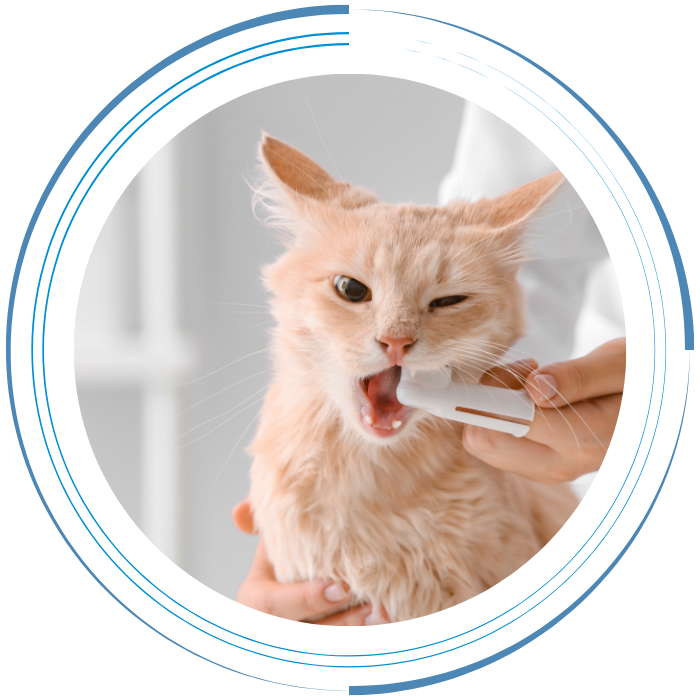
Pet Dentistry at Stoneside Veterinary Hospital
Good oral health is essential to your pet’s overall well-being. Pet dental care plays a crucial role in preventing dental disease, which can lead to severe health complications affecting the heart, liver, and kidneys. At our veterinary facility, we offer professional pet dentistry services to ensure your furry friend maintains clean, healthy teeth and gums for a lifetime.
Many pet owners are unaware that 80% of dogs and 70% of cats over three years of age suffer from some form of dental disease. Unfortunately, without proper dental care, bacteria from plaque buildup can enter the bloodstream, potentially leading to systemic infections and organ damage. Routine veterinary dental care is the key to preventing serious health issues and improving your pet’s quality of life.
If your pet is recommended a cleaning during your next visit, book that same day for 10% OFF the cleaning!
Signs your Pet May Have Dental Disease
Pets can’t tell us when they’re experiencing dental pain, so it’s important to look out for signs of dental disease, including:
- Bad breath (persistent odor despite regular eating habits)
- Yellow or brown tartar buildup on teeth
- Red, swollen, or bleeding gums
- Difficulty eating or chewing
- Excessive drooling
- Pawing at the mouth or face
- Loose or missing teeth
If your pet is displaying any of these symptoms, it may be time for a comprehensive pet dental examination.
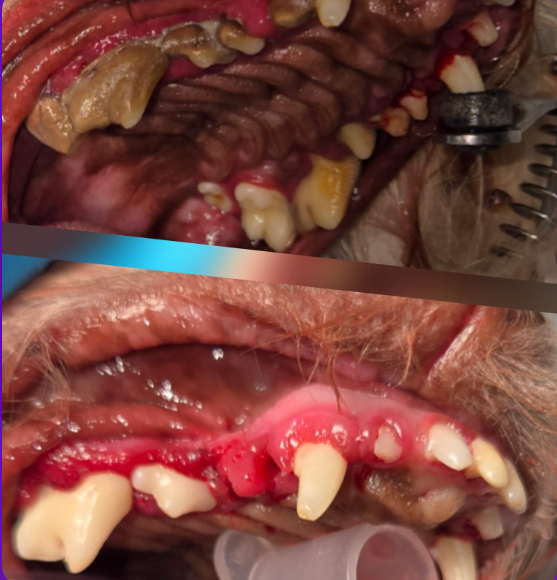
Benefits of Regular Dental Cleanings

Prevents Pain and Discomfort
Routine cleanings and early detection help avoid painful dental issues.

Improves Overall Health
Reduces the risk of bacteria spreading to vital organs through the bloodstream.

Extends Lifespan
Healthy teeth and gums can contribute to a longer, healthier life for your pet.

Enhances Quality of Life
A pain-free mouth allows your pet to eat, chew, and play comfortably.
Common Myths About Pet Dental Care
Even the most caring pet owners can be misled by myths. Let’s set the record straight on a few common misconceptions:
Myth: “If my pet had a bad tooth, they’d stop eating.”
Fact: Pets have strong survival instincts – most will continue to eat despite throbbing dental pain. They often just chew on one side or swallow food whole to cope. Don’t assume they’re fine simply because their food bowl is empty! Often, owners only realize how uncomfortable their pet was after a dental procedure, when their furry friend becomes noticeably more playful and energetic.
Myth: “Dogs and cats just have stinky breath – that’s normal.”
Fact: While your pet’s breath may never smell minty fresh, foul breath is usually a sign of dental trouble, not something to ignore. Regular cleanings will make those affectionate licks much more pleasant (and healthy).
Myth: “Crunchy food or chew toys clean my pet’s teeth enough.”
Fact: Eating dry kibble or the occasional chew toy isn’t a substitute for proper dental care. In fact, the texture of pet food alone makes little difference in tartar buildup – only daily brushing and professional cleanings truly keep plaque at bay. Chew toys can help, but they can’t reach below the gumline where many problems start.
Join the Happy Pet Club
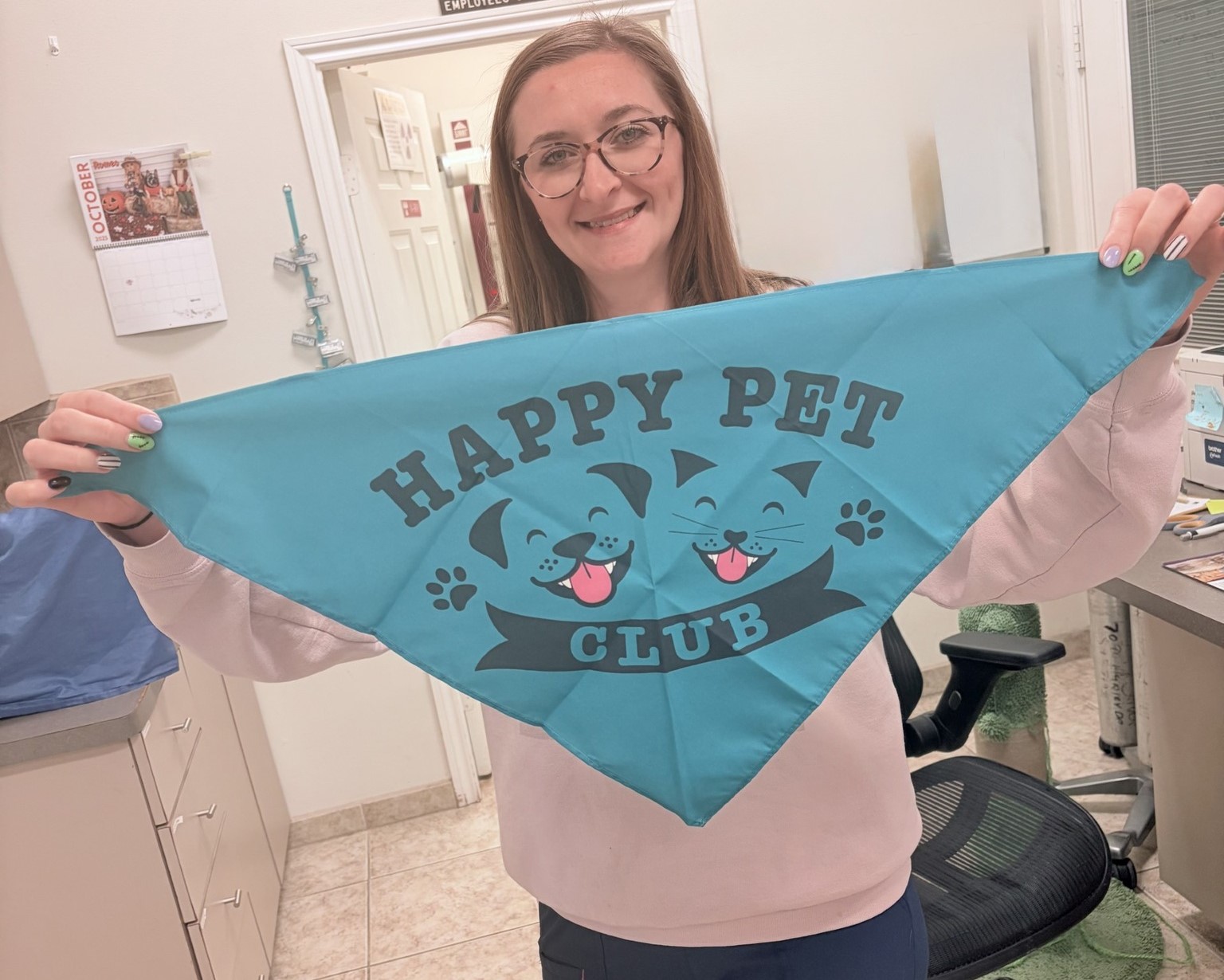
Is your pet’s smile sparkling? After a dental cleaning at Stoneside Veterinary Hospital, your furry friend becomes an official member of our Happy Pet Club — a special pack of pets who proudly show off their clean teeth, fresh breath, and healthier smiles!
Frequently Asked Questions
What is involved with a dental exam?
How are my dog's teeth cleaned?
Do I have to make an appointment for my dog to have a dental scaling and polishing?
Can I use human toothpaste?
Baking soda is not recommended either. Its high alkaline content can disrupt the natural acid balance in your pet’s stomach and digestive system if ingested.
For safe, effective home care, always use veterinary-approved toothpaste and dental products designed specifically for pets.
Why is pet toothpaste recommended?
How can I prevent tartar accumulation?
Why can't plaque and tartar be removed with a human dental scaler?
While you may be able to remove some visible plaque and tartar above the gumline in a cooperative pet, there are several important limitations and risks:
-
Only the tartar you can see is removed. Plaque and tartar below the gumline remain and will continue to contribute to periodontal disease.
-
It is not safe or possible to thoroughly clean the inner surfaces of the teeth in a conscious dog or cat.
-
Using dental instruments on the enamel can create microscopic scratches that damage the tooth surface and promote future disease—this is why dental professionals always polish teeth after scaling.
-
If your pet moves unexpectedly, sharp instruments can easily cause gum injury, leading to pain and bleeding.
What happens during a dental cleaning visit?
In cases of advanced periodontal disease, severely compromised teeth may not be salvageable and may need to be extracted either during the appointment or at a future visit. General anesthesia ensures that these treatments can be performed safely and effectively.
After the cleaning, your veterinarian will review the findings with you and discuss any recommended treatments. Because the full extent of dental disease is often difficult to assess before anesthesia, your veterinarian may contact you during the procedure if additional care becomes necessary.
Schedule Your Pet’s Dental Exam Today
If your pet is showing signs of dental discomfort or is due for a routine cleaning, contact Stoneside Veterinary Hospital in Waller, TX, today. Let our experienced team help keep your pet’s teeth healthy and strong for years to come.